What South Carolina Businesses Need to Know About Commercial EV Charging
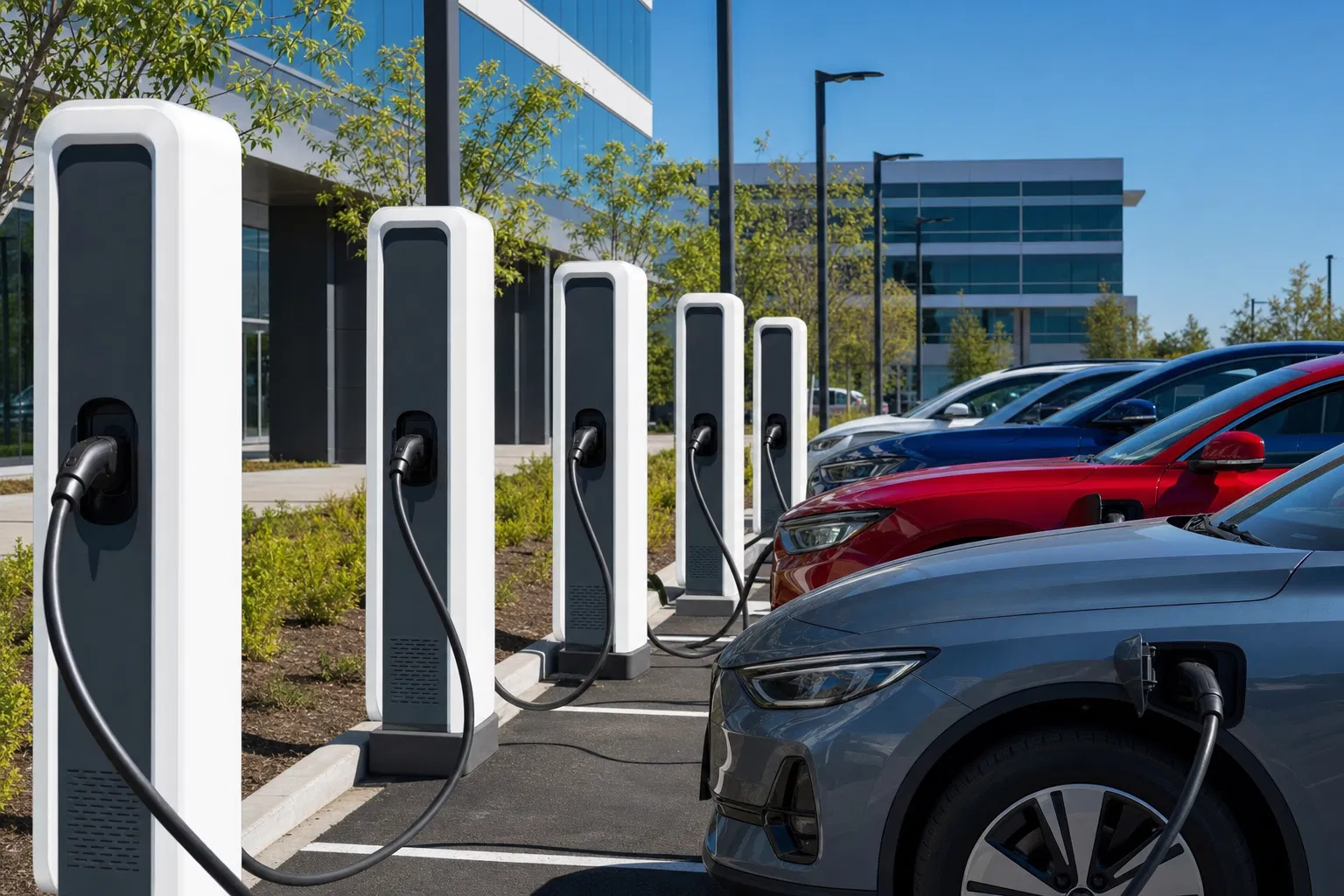
Commercial EV charging is one of the fastest-growing amenities for South Carolina businesses, apartment communities, and HOAs. Here's what to consider before moving forward.
Why Commercial EV Charging Matters
EV adoption in South Carolina is growing rapidly, and businesses that offer EV charging are increasingly seen as forward-thinking and customer-friendly. For apartment communities and HOAs, EV charging is becoming a competitive amenity that attracts and retains residents.
Types of Commercial EV Charging
Commercial EV charging typically falls into two categories: Level 2 charging (the most common for workplaces, apartments, and retail) and DC Fast Charging (typically used for high-traffic locations like highway corridors and large retail centers). Most businesses start with Level 2 charging.
Infrastructure Considerations
Commercial EV charging projects require careful electrical infrastructure planning. A licensed electrician will evaluate your existing electrical service capacity, the number of charging stations needed, the best circuit configuration, and whether a service upgrade is required. For larger installations, a utility coordination process may be needed.
Permitting and Code Compliance
Commercial EV charger installations in South Carolina require permits and must comply with the National Electrical Code (NEC) and local building codes. ADA accessibility requirements may also apply to commercial charging stations.
Networked vs. Non-Networked Chargers
Networked commercial chargers connect to a management platform that allows you to monitor usage, set pricing, manage access, and generate reports. Non-networked chargers are simpler and less expensive but offer no usage data or access control.
Getting Started
The best first step for a commercial EV charging project is to submit a request with your property details, estimated number of charging stations needed, and timeline. A licensed electrical contractor with commercial experience can then evaluate your property and provide a project assessment.
Need EV Charger Help?
Submit a request and we'll help route it to a licensed electrical contractor in your South Carolina service area.
Request EV Charger Help